Your jaw clenches without warning during a stressful workday, and you wake most mornings with a dull headache you’ve learned to accept as normal. These seemingly unrelated symptoms may point to a common problem affecting millions of people: nighttime teeth grinding and clenching. Recognizing the warning signs early can prevent serious dental damage and save you from painful complications down the road.
At Burien Signature Dentistry, we take a conservative and preventative approach to protecting your oral health. Dr. Andy Kim and our team help patients throughout the Burien area identify signs of teeth grinding and provide custom nightguards designed to preserve your teeth while you sleep. Understanding these warning signs empowers you to seek treatment before minor issues become major dental concerns.
You Wake Up With Jaw Pain or Headaches
Morning jaw soreness or tension headaches concentrated around your temples often signal nighttime grinding activity. Your jaw muscles work overtime while you sleep, creating the same fatigue and discomfort you’d feel after hours of intense physical exercise. The pain typically feels worse when you first wake up and may improve as the day progresses and your muscles relax.
Many people dismiss these symptoms as stress or poor sleep position, but they frequently indicate that your teeth are grinding together throughout the night. The temporomandibular joint, which connects your jaw to your skull, absorbs tremendous pressure during grinding episodes. Over time, this stress can lead to more serious jaw disorders requiring extensive treatment. A 2021 survey by the American Dental Association’s Health Policy Institute showed that more than 70% of dentists noticed signs of teeth grinding and clenching in their patients, an increase of nearly 10% over the previous year.
Your sleeping partner may report hearing grinding sounds during the night, though not everyone who grinds their teeth creates audible noise. Some people clench without the back-and-forth motion associated with grinding, which produces less sound but causes similar damage to teeth and jaw structures.
Your Teeth Show Visible Wear or Damage
Examining your teeth in good light may reveal telltale signs of grinding you hadn’t noticed before. Flattened biting surfaces, particularly on your back molars, indicate prolonged grinding activity. Your front teeth may appear shorter than they once did or show tiny chips along the edges. Some people notice their teeth look more yellow as grinding wears away the protective white enamel layer and exposes the darker dentin underneath.
Advanced grinding can create small cracks or fractures in tooth enamel. These damage points become entry sites for bacteria and increase your cavity risk significantly. You might also notice increased tooth sensitivity when consuming hot, cold, or sweet foods and beverages, as worn enamel fails to protect the sensitive inner layers of your teeth.
Dental restorations like crowns or fillings may show signs of damage or come loose more frequently than expected. The forces generated during grinding episodes can exceed the strength of these repairs, requiring replacement more often than normal wear would dictate.
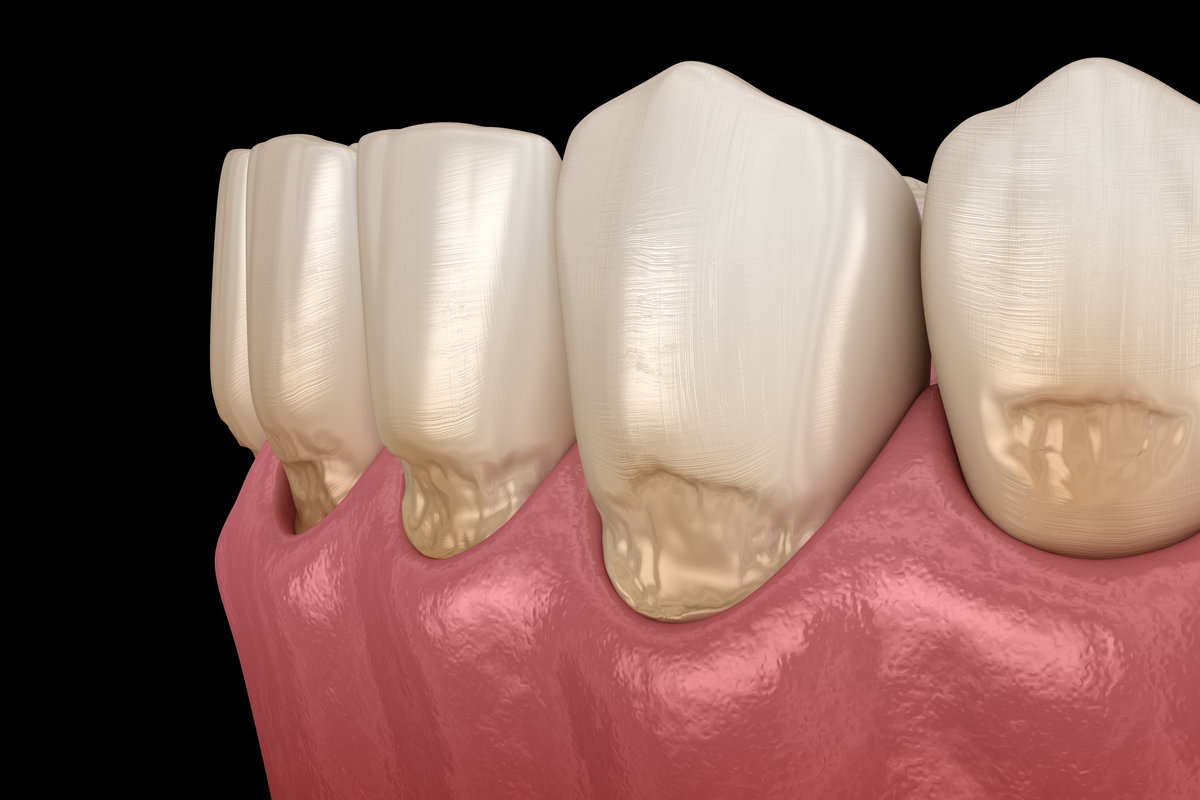
Your Teeth Show Notches Near the Gum Line
Small wedge-shaped grooves appearing near your gum line, particularly on the side facing your cheek, often indicate abfractions caused by grinding forces. These notches develop when intense clenching pressure causes your teeth to flex microscopically at the point where the crown meets the root. Over time, this flexing chips away tiny pieces of enamel, creating distinctive indentations that differ from cavities or erosion from acidic foods.
Abfractions commonly appear on canines and premolars, where grinding forces concentrate most heavily. The grooves may feel rough to your tongue and can trap food particles or plaque more easily than smooth tooth surfaces. You might notice increased sensitivity in these areas, as the notches expose dentin that enamel normally protects.
Many people mistake abfractions for aggressive brushing damage or natural wear from ageing. However, their specific location and shape point directly to grinding activity as the cause. Your dentist can differentiate between abfractions and other types of tooth wear during a thorough examination. Addressing the grinding with a nightguard prevents these notches from deepening and requiring fillings to restore the damaged tooth structure.
You Experience Persistent Tooth Sensitivity
Sensitivity when eating or drinking suggests your enamel has worn thin in certain areas. The protective enamel layer normally shields the more sensitive dentin underneath from temperature changes and acidic substances. When grinding removes this protection, even breathing cold air through your mouth can trigger discomfort.
The sensitivity may affect multiple teeth rather than just one problematic area. You might notice it most strongly in your back molars, where grinding forces concentrate, or along the gum line where enamel naturally grows thinner. This widespread sensitivity differs from the isolated pain associated with a single cavity or damaged tooth.
Some patients report sensitivity that comes and goes, feeling worse during periods of high stress, when grinding episodes may intensify. Tracking when sensitivity occurs can help your dentist identify grinding as the underlying cause rather than other dental issues requiring different treatments.
Your Jaw Feels Tired or Tight
A fatigued jaw that feels tired even after a full night’s rest suggests your muscles worked hard while you slept. Your jaw muscles may feel sore to the touch, particularly along the sides of your face near your ears. This muscle fatigue can make activities like chewing tough foods uncomfortable or cause your jaw to feel weak when eating meals.
You might notice clicking, popping, or grinding sounds when you open and close your mouth. These noises come from your temporomandibular joint struggling to function smoothly under the stress of repeated grinding. While not everyone with jaw sounds grinds their teeth, the combination of sounds plus other symptoms strengthens the case for a nightguard.
Some people experience difficulty fully opening their mouths, especially in the morning. The muscles remain tense from nighttime activity and need time to relax before returning to the normal range of motion. This limited movement can interfere with everyday activities like yawning or taking large bites of food.
Protect Your Smile at Burien Signature Dentistry
Recognizing these signs early allows you to address teeth grinding before it causes permanent damage to your teeth and jaw. A custom-fitted nightguard provides a barrier between your upper and lower teeth, absorbing grinding forces and protecting your enamel from further wear. The preventative step of getting a nightguard now saves you from costly restorative procedures later. Dr. Andy Kim graduated from the University of Colorado School of Dental Medicine in 2017 and completed an Advanced Education in General Dentistry program, giving him extensive experience in diagnosing and treating bruxism. Our team prioritizes creating a positive office environment while delivering quality care to patients throughout the Burien community. We accept all major PPO insurance plans and offer Cherry financing to make protective dental care accessible. Contact us today to schedule an evaluation and discuss whether a custom nightguard is right for you.