Waking up with jaw pain or unexplained headaches might seem like minor inconveniences, but these symptoms could signal a deeper connection between your oral health and sleep quality. While many people assume teeth grinding happens because of stress alone, emerging research reveals a significant link between bruxism and sleep apnea, which dental professionals are increasingly recognizing as important.
At Burien Signature Dentistry, Dr. Andy Kim takes a conservative and preventative approach to treating dental conditions, carefully evaluating each patient for signs of sleep-related breathing disorders that may contribute to nighttime teeth grinding. With training from the University of Colorado School of Dental Medicine and experience in advanced general dentistry, Dr. Andy understands the broader health implications of teeth grinding and works collaboratively with patients to identify underlying causes rather than simply addressing surface symptoms.
What Is Bruxism?
Bruxism describes repetitive jaw muscle activity characterized by clenching or grinding of teeth, often occurring during sleep without you even knowing it. Sleep bruxism happens through rhythmic jaw muscle contractions producing forces far exceeding normal chewing pressure, potentially causing significant damage to dental structures, restorations, and jaw joints over time.
Diagnosis typically combines clinical examination findings with symptoms you report. Abnormal tooth wear patterns, particularly on molars and canines, provide visible evidence of grinding activity. Patients frequently report morning jaw muscle fatigue, headaches around the temples, or jaw locking upon awakening.
According to research published in the Journal of Clinical Medicine, bruxism occurs in approximately 8 to 31% of the general population, with numbers varying based on how it’s measured and assessed.
The condition’s impact extends beyond dental concerns. Chronic bruxism can lead to muscle pain, trigger points in jaw muscles, and altered bite relationships. Some patients experience pain patterns affecting the neck and shoulders, complicating diagnosis and treatment planning.
The Sleep Apnea Connection: What Research Reveals
Recent sleep studies have identified a notable association between sleep bruxism and obstructive sleep apnea, though the exact nature of this relationship remains under investigation. Obstructive sleep apnea involves repeated collapse of the upper airway during sleep, leading to breathing stops, oxygen drops, and disrupted sleep. These breathing events trigger nervous system responses, including brief awakenings that may cause bruxism episodes.
Research indicates bruxism occurs much more frequently in patients with obstructive sleep apnea compared to the general population. The relationship appears complex and potentially works both ways, with some evidence suggesting bruxism may serve as a protective mechanism to restore airway opening during breathing pauses by moving the jaw forward and reopening the collapsed airway.
However, this protective function appears limited, particularly in moderate to severe sleep apnea cases where airway obstruction exceeds what jaw movements can compensate for.
The timing between breathing events and grinding episodes provides compelling evidence for this connection. Many bruxism episodes occur within seconds following breathing pauses, suggesting a physiological response to breathing disruption rather than an independent issue. This timing supports the idea masticatory muscle activation represents an attempt to re-establish normal breathing.
Clinical Signs Warranting Sleep Evaluation
Certain presentations should prompt consideration of underlying sleep-disordered breathing. Patients reporting excessive daytime sleepiness, witnessed breathing pauses during sleep, or loud snoring in combination with bruxism warrant referral for sleep medicine evaluation.
Morning headaches around the temples, unexplained tooth mobility despite healthy gums, and fractured dental restorations without obvious trauma also raise suspicion.
We conduct thorough assessments extending beyond oral cavity examination, inquiring about sleep quality, energy levels, and related health concerns. This comprehensive approach helps identify patients who may benefit from coordinated care involving both dental treatment and sleep medicine intervention. Physical factors visible during oral examination, including enlarged tonsils, small jaw position, or narrow throat airway, further inform risk assessment.
Male gender, elevated body mass index, and certain metabolic conditions appear to increase bruxism risk in patients with sleep apnea. Understanding these factors assists in determining which patients require more intensive evaluation versus those suitable for initial conservative management with nightguard therapy alone.
How Nightguards Provide Protection
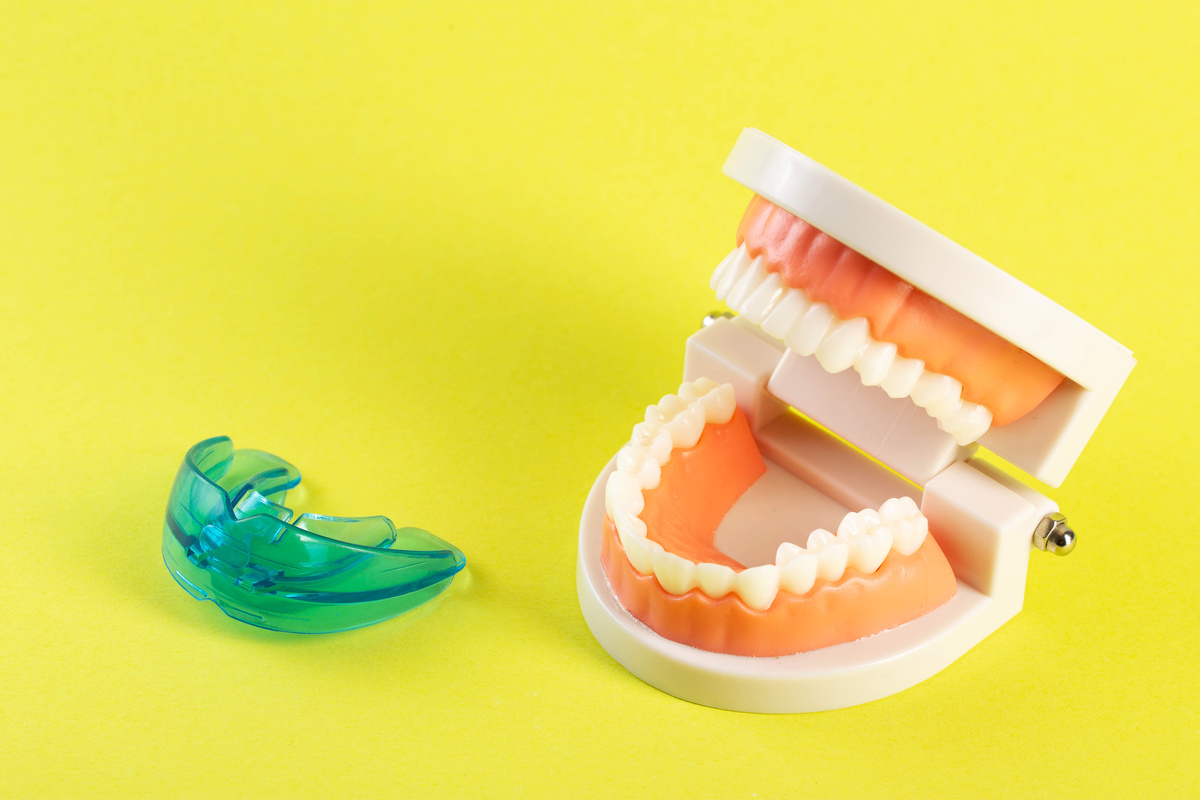
Custom nightguards serve as the first-line treatment for protecting dental structures from bruxism-related damage. These custom-fabricated appliances create a physical barrier between upper and lower teeth, redistributing forces across a broader surface area and preventing direct tooth-to-tooth contact during grinding episodes.
The devices are typically constructed from hard acrylic resin and designed to maintain proper jaw positioning while allowing natural movements.
Properly fitted nightguards accomplish several therapeutic objectives. They reduce mechanical wear on tooth enamel, minimize stress on existing dental restorations, and decrease loading forces transmitted to jaw joints. Many patients report decreased morning jaw muscle soreness and reduced headache frequency after consistent nightguard use, though the appliance does not necessarily eliminate grinding behavior itself.
Critical to successful outcomes is precise fabrication based on accurate impressions and bite registration. The biting surface requires careful adjustment to achieve balanced contacts and eliminate interferences, potentially worsening muscle overactivity. Regular follow-up appointments allow for wear pattern assessment and appliance modification as needed to optimize function and comfort.
When Nightguards Alone May Not Be Enough
While nightguards effectively protect dental structures, they do not address underlying sleep-disordered breathing if present. Patients exhibiting multiple risk factors for obstructive sleep apnea require a comprehensive sleep evaluation through sleep studies to determine whether breathing disturbances contribute to their bruxism.
Failing to identify and treat coexisting sleep apnea can leave patients vulnerable to serious cardiovascular complications, metabolic dysfunction, and diminished quality of life despite adequate dental protection.
Some clinical situations necessitate collaborative care coordination. Patients with confirmed obstructive sleep apnea may benefit from continuous positive airway pressure therapy, oral appliance therapy designed for airway opening, or surgical interventions, depending on severity and physical factors. Dental nightguards can complement these treatments, but should not serve as the sole intervention when sleep-disordered breathing is documented.
Certain medical conditions, including diabetes, hypertension, and cardiovascular disease, show associations with both bruxism and sleep apnea. Patients presenting with these conditions merit particular attention during assessment, as their nighttime grinding may represent one manifestation of broader health issues requiring integrated medical and dental management approaches.
Comprehensive Care at Burien Signature Dentistry
Addressing teeth grinding requires more than simply fabricating a protective appliance. Dr. Andy Kim and our team at Burien Signature Dentistry recognize effective treatment begins with understanding each patient’s unique clinical presentation, including potential connections to sleep disorders, stress factors, and overall health conditions. Through careful evaluation and patient education, we help individuals make informed decisions about their care path.
Whether you require a custom nightguard for dental protection or need guidance regarding potential sleep evaluation, we offer conservative treatment approaches tailored to individual circumstances. Contact our office to schedule a comprehensive examination and discuss how we can help protect your oral health while addressing underlying factors contributing to teeth grinding and clenching.