Losing a tooth is never easy, but the decisions you make afterward can significantly impact your oral health for years to come. While the extraction site may heal on its own, the underlying bone often doesn’t regenerate without help, leaving you with less support for future dental work.
At Burien Signature Dentistry, Dr. Andy Kim takes a preventative and conservative approach to dental care, helping patients understand their options after tooth loss. With over eight years of experience since graduating from the University of Colorado School of Dental Medicine, Dr. Andy specializes in restorative procedures that preserve your smile’s foundation and prepare you for long-term oral health success.
What Happens to Your Jawbone After Tooth Extraction
When you lose a tooth, your body responds in ways you might not expect. The bone that once supported your tooth root begins to deteriorate almost immediately, a process called resorption. Without the stimulation from your tooth root, your jawbone recognizes it no longer needs to maintain that area’s density and volume, much like muscles that weaken without exercise.
This bone loss occurs rapidly in the first few months following extraction and continues over time. The surrounding teeth may shift into the empty space, creating alignment issues and bite problems. Your facial structure can even change as the bone diminishes, potentially leading to a sunken appearance around your mouth. According to Cleveland Clinic, providers place about 2.2 million bone grafts globally every year to address these concerns and maintain jaw structure.
How Bone Grafts Protect Your Oral Health
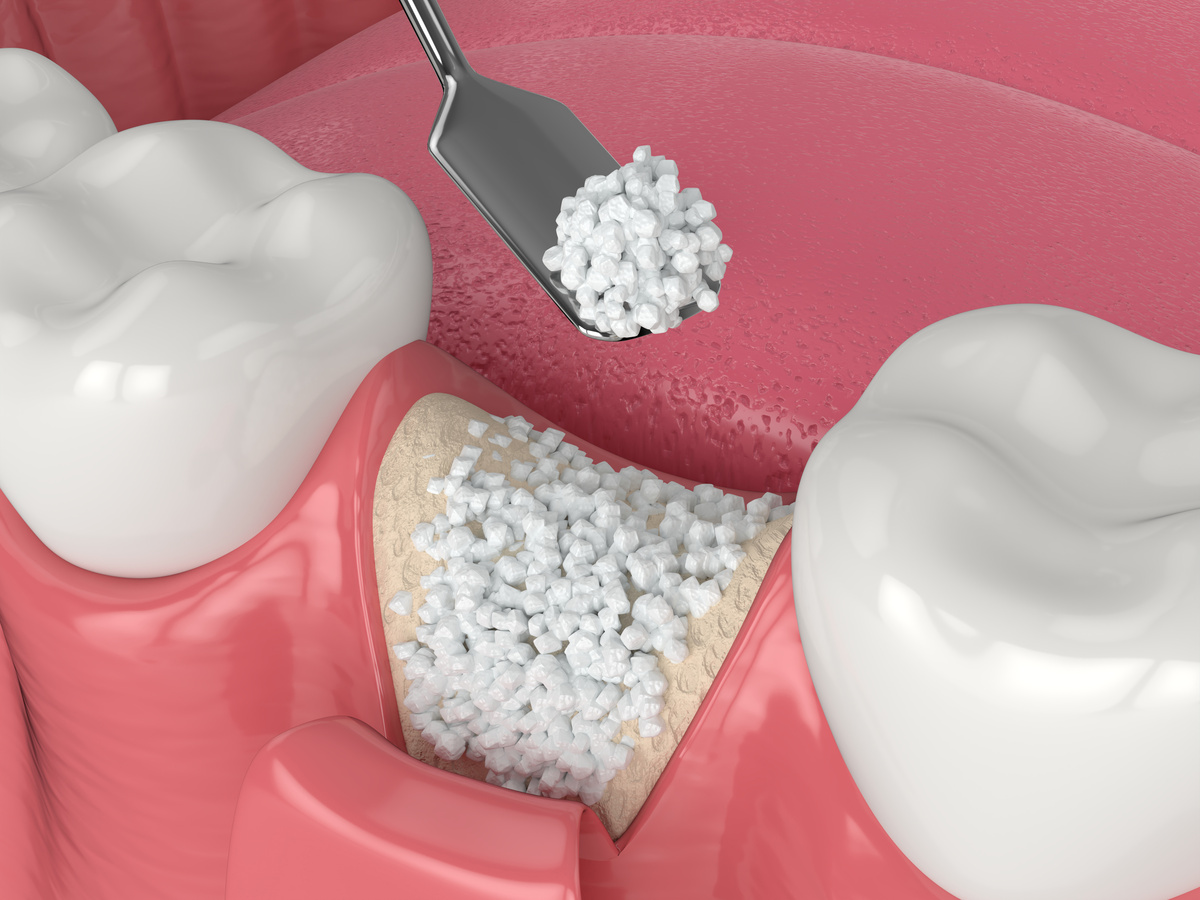
A bone graft acts as a scaffold for your body’s natural healing process. During the procedure, your dentist places grafting material into the extraction site, creating a framework that encourages your own bone cells to grow and multiply. This material can come from several sources, including processed human bone from tissue banks, lab-created synthetic materials, or even your own bone from another area of your mouth.
The graft material integrates with your existing bone over several months, gradually being replaced by your body’s new bone tissue. This process maintains the width and height of your alveolar ridge, the curved bone that holds your teeth. By preserving this structure, you keep your options open for future restorative work like dental implants or bridges.
When Bone Grafting Makes Sense
Not every extraction requires a bone graft, but certain situations make this procedure particularly beneficial. If you plan to replace your missing tooth with a dental implant, a bone graft is often essential. Implants require adequate bone volume to anchor securely, and without sufficient bone, your implant may fail or not be possible at all.
Consider a bone graft if you’re having a molar extracted, as these teeth have multiple roots that leave larger voids in your jawbone. The back teeth also bear significant chewing forces, making bone preservation especially important in these areas. Patients with existing bone loss from gum disease or those who have been missing teeth for extended periods typically benefit from grafting as well.
Your facial structure depends on adequate bone support. Even if you’re not immediately planning to replace your tooth, preserving the bone maintains your natural facial contours and prevents the aged appearance that comes with jawbone deterioration. Our team at Burien Signature Dentistry can evaluate your specific situation and recommend whether grafting aligns with your long-term oral health goals.
The Bone Grafting Procedure
Bone grafting is typically performed right after your tooth extraction, though it can also be done as a separate procedure if needed later. Your dentist will numb the area thoroughly, ensuring you remain comfortable throughout the process. After extracting the tooth, the grafting material is placed into the empty socket and may be covered with a special membrane to protect it during healing.
The entire procedure usually takes less than an hour, and most patients report minimal discomfort. You’ll receive specific aftercare instructions, which typically include eating soft foods for several days and avoiding disturbing the surgical site. Initial healing takes about a week, though the bone graft itself needs three to six months to fully integrate with your natural bone.
During this healing period, your body works to incorporate the graft material, replacing it with your own bone tissue. Regular follow-up appointments allow your dentist to monitor this process and ensure everything is progressing as expected.
Recovery and Long-Term Success
After bone grafting, you can expect some tenderness, mild swelling, and possibly minor bruising around the extraction site. These symptoms typically resolve within a week and can be managed with over-the-counter pain relievers. You might notice small bone fragments that look like grains of sand coming from the site during the first few days, which is a normal part of healing.
Success rates for dental bone grafts reach as high as 100% when proper techniques are used, and patients follow aftercare instructions. However, certain factors can affect healing, including smoking, which significantly reduces success rates and should be avoided entirely during the recovery period. Maintaining good oral hygiene while being gentle around the surgical site helps prevent infection and supports optimal healing.
Most patients find the investment worthwhile when they consider the alternatives. Without bone grafting, you may face limited options for tooth replacement, more complex procedures later, or the gradual deterioration of your facial structure and oral health.
Experience Comprehensive Care at Burien Signature Dentistry
Making informed decisions about your oral health requires guidance from professionals who prioritize your long-term well-being. Dr. Andy Kim and our team at Burien Signature Dentistry bring both expertise and a genuine commitment to patient education, ensuring you understand every aspect of your treatment options. Our practice’s emphasis on preventative care and conservative treatment means you’ll receive recommendations focused on preserving your natural tooth structure and bone whenever possible.
Whether you’re facing an upcoming extraction or considering your options for replacing missing teeth, a personalized consultation can help you determine the best path forward. Contact our office to schedule an appointment and learn how bone grafting might benefit your unique situation.